



Budget vs Weather: Finding the Best Time to Visit Halong Bay

Halong Bay, with its UNESCO-listed limestone karsts and emerald waters, stands as one of Vietnam’s most iconic destinations. However, choosing the right time to visit requires balancing two critical factors: weather conditions and cruise prices. Understanding how these elements fluctuate throughout the year can help travelers maximize their experience while staying within budget.
Understanding Halong Bay’s Climate and Seasons
Halong Bay experiences a tropical monsoon climate characterized by four distinct seasons, each offering unique advantages and challenges. Northern Vietnam’s weather follows a predictable pattern: a hot and humid rainy season from May through September, and a cool, dry season from October through March.
Spring Awakening (March to May)
March marks the beginning of spring in Halong Bay, bringing mild and refreshing weather as the landscape comes alive with new growth. Average daytime temperatures range from 18 to 26 degrees Celsius, with morning fog clearing by late morning—ideal for sunrise photography. April is widely considered one of the best months to visit the bay, offering still waters, clear skies, and abundant green scenery. The weather remains pleasant with moderate humidity levels around 65-75%, and rainfall stays minimal at 20-40mm per month, making outdoor activities like kayaking and cave exploration particularly enjoyable.
Read more: Halong Bay Weather in March: Enjoy Spring Awakening
May transitions toward summer, with temperatures rising to 24-31 degrees Celsius and occasional scattered rain showers. Despite the warming trend, May remains manageable for most travelers, though early booking becomes increasingly important as the shoulder season approaches.
The Challenging Summer Monsoon (June to August)
Summer represents the challenging season in Halong Bay, dominated by the southwest monsoon. Temperatures soar between 26 and 34 degrees Celsius, accompanied by very high humidity levels of 80-90%. This period coincides with Halong Bay’s typhoon season, which officially runs from June through September, with the highest concentration of typhoons occurring in July and August. During these months, rainfall can reach 100-300mm per month, with occasional thunderstorms and unpredictable weather patterns.
However, summer does offer advantages for certain travelers. The warm water temperatures make swimming particularly enjoyable, and the occasional rainfall creates lush greenery and dramatic skies that appeal to some photographers. Additionally, the season features fewer international tourists, creating a more authentic experience for those willing to navigate weather uncertainties.
Golden Autumn (September to November)
September marks the transition from rainy to dry season, with weather becoming progressively more pleasant. Though September still experiences occasional rainfall and high humidity, the crowds begin to thin out significantly. By early October, Halong Bay enters what many consider the golden period for cruising. October boasts ideal conditions with average temperatures between 23 and 28 degrees Celsius, abundant sunshine, clear skies, and comfortable humidity levels around 70-75%. Rainfall drops substantially to just 40-70mm per month, and water visibility increases to 6-9 meters, perfect for kayaking and underwater activities.
November continues this excellent trend with mild temperatures around 20-25 degrees Celsius, minimal rainfall of just 8 rainy days per month, and cooler evenings. This period offers what many travelers consider the optimal balance between weather quality and tourist density.
Quiet Winter Season (December to February)
Winter brings cooler but generally pleasant conditions, with temperatures ranging from 15 to 22 degrees Celsius. December features the least rainfall of any month, making it ideal for those seeking dry conditions. Morning fog is common but usually clears quickly, allowing for clear views of the limestone formations. While January and February are quieter with average temperatures around 15-21 degrees Celsius, occasional drizzle and misty mornings should be anticipated.
Read more: Halong Bay Weather in December: Cool Breezes and Romantic Escapes
Price Variations Throughout the Year

Cruise pricing in Halong Bay follows distinct seasonal patterns that directly correlate with weather conditions and demand levels. Understanding these pricing cycles is essential for budget-conscious travelers.
Peak Season Pricing (October to April)
The peak season, spanning from October through April, commands the highest prices due to optimal weather conditions and increased demand. Prices typically run 15-30% higher than off-season rates. For a 2-day, 1-night cruise, travelers can expect to pay between $150 and $315 per cabin (2 adults), depending on the vessel’s classification. Three-day, 2-night cruises range from $215 to $650 per cabin.
During peak season, particularly around Christmas, New Year, and the Vietnamese Tet holiday in February, prices can surge even higher, sometimes by 35-50%. Securing accommodations and desirable cabins requires booking 3-4 months in advance, often unlocking 10-15% early bird discounts.
Shoulder Season Opportunities (May and September)
May and September represent the shoulder seasons, offering significant advantages for value-conscious travelers. Prices typically decline by 10-15% compared to peak season rates, while weather remains largely favorable. May maintains pleasant spring conditions with temperatures around 25-28 degrees Celsius, though some humidity increase and occasional rain showers occur.
September presents an underrated opportunity. While rainfall persists from the monsoon’s tail end, the crowds remarkably thin out, and booking 2-3 months in advance can secure 15-20% discounts. A 2-day, 1-night cruise might cost $130-280 during this period, while 3-day trips range from $210-500.
Budget-Friendly Low Season (June to August)
The low season, spanning June through August, offers the deepest discounts—potentially up to 40% below peak season prices. A basic 2-day, 1-night cruise can be booked for as little as $80-120 per person, with 3-day, 2-night options available from $120-240. This makes Halong Bay accessible to true budget backpackers.
However, this affordability comes with trade-offs. The typhoon season peaks during July and August, bringing unpredictable weather, higher humidity, and greater risks of cruise cancellations or schedule changes. Despite these challenges, many travelers find the financial savings and reduced international tourist crowds worth the risks, particularly those with flexible itineraries who can adjust plans if weather deteriorates.
Strategic Recommendations: Finding Your Perfect Balance
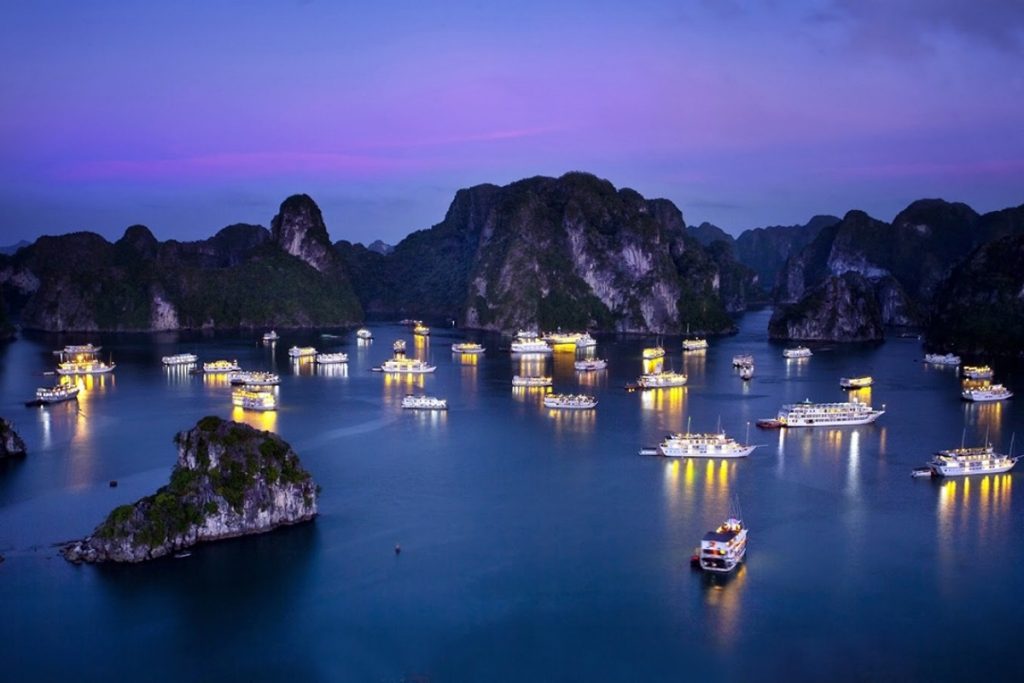
The “best” time to visit Halong Bay ultimately depends on individual priorities and comfort levels.
For Budget-Conscious Travelers Seeking Good Value (September-October)
September-October represents the optimal sweet spot for most travelers. October particularly shines with what many describe as “golden weather”—clear skies, comfortable temperatures, and minimal rainfall. By booking 2-3 months in advance for September, travelers can secure 15-20% discounts while accessing excellent weather conditions. October prices run higher but still lower than December-March peaks, and early booking (60-90 days ahead) can yield 10-15% discounts.
For Serious Budget Travelers (June-August)
Travelers on tight budgets should consider June-August, particularly June and September transition months. These periods offer the steepest discounts but require flexibility regarding weather. Monitoring forecasts closely and choosing tour operators with generous cancellation policies become essential. While typhoon disruptions are uncommon, their possibility requires realistic contingency planning.
For Photographers and Nature Enthusiasts (March-May and October-November)
The spring months of March through May and the autumn months of October through November offer superior conditions for capturing Halong Bay’s beauty. March provides misty mornings ideal for moody photography, while April delivers picture-perfect conditions. October delivers the clearest skies and best visibility. These periods justify the higher prices for those prioritizing experience quality over cost.
For Holiday Season Visitors (December-February)
Winter brings cooler temperatures and fewer crowds than peak months. December offers dry conditions with potential festive cruise experiences, though prices remain elevated due to Christmas and New Year demand. January and February provide quieter experiences with better pricing than December, though occasional drizzle may occur.
Smart Booking Strategies
Regardless of which season appeals most, strategic booking can unlock additional savings. For peak season travel, booking 3-4 months ahead secures 10-15% early bird discounts on top of negotiating shoulder pricing. For shoulder seasons, booking 2-3 months in advance can yield 15-20% savings. Even in low season, booking 1-2 months ahead often provides 30-40% discounts over last-minute rates.
Direct booking through official cruise websites typically offers 10-15% savings compared to booking through hotels or international travel agencies. Group bookings of 4 or more people can negotiate 5-25% discounts depending on group size.
Conclusion
The best time to visit Halong Bay depends on balancing weather preferences against budget constraints. October and November represent the ideal months for most travelers—weather is perfect, prices are reasonable, and crowds are manageable. However, those genuinely constrained by budget should explore May and September options, where 10-15% discounts are available alongside generally favorable conditions.
The low season’s significant discounts appeal to flexible travelers who can accommodate potential weather disruptions. Spring months offer excellent weather for specific interests like photography. Ultimately, Halong Bay rewards advance planning, whether the goal is capturing perfect weather conditions or securing the best prices. By understanding how these factors shift throughout the year, travelers can craft their ideal Halong Bay adventure within their unique circumstances and priorities.