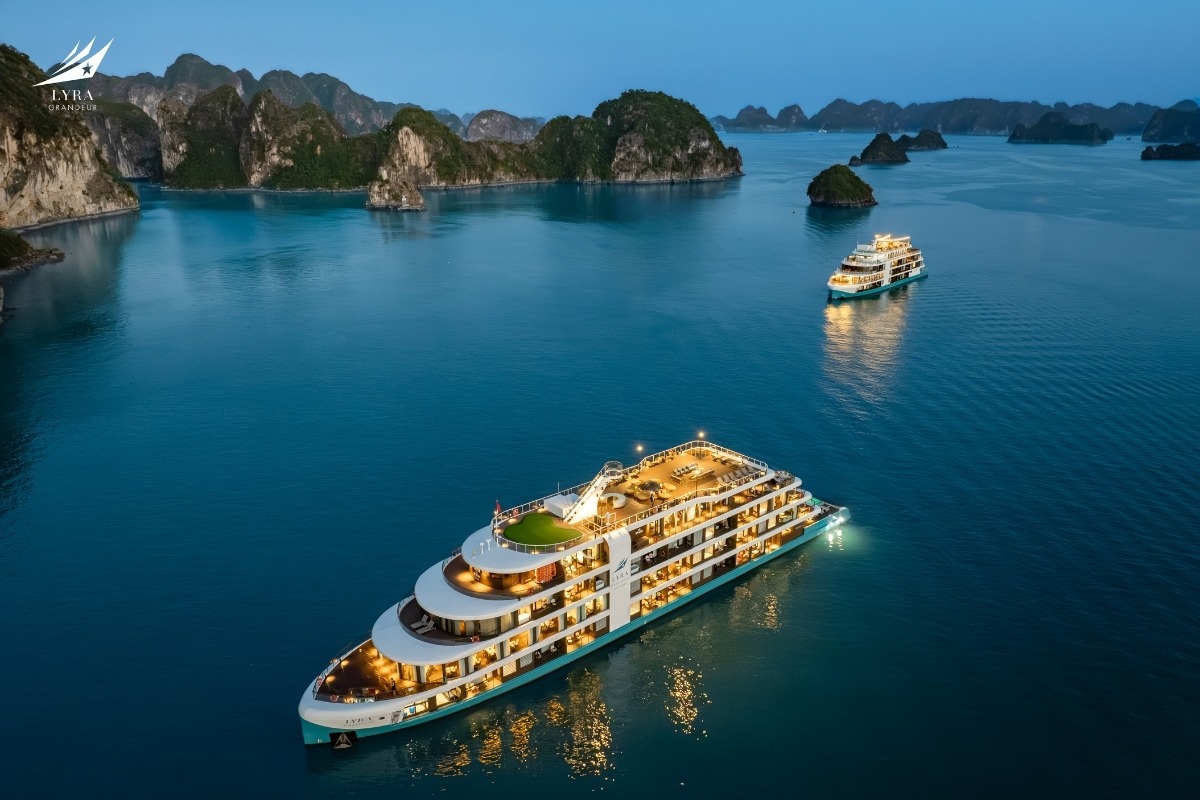

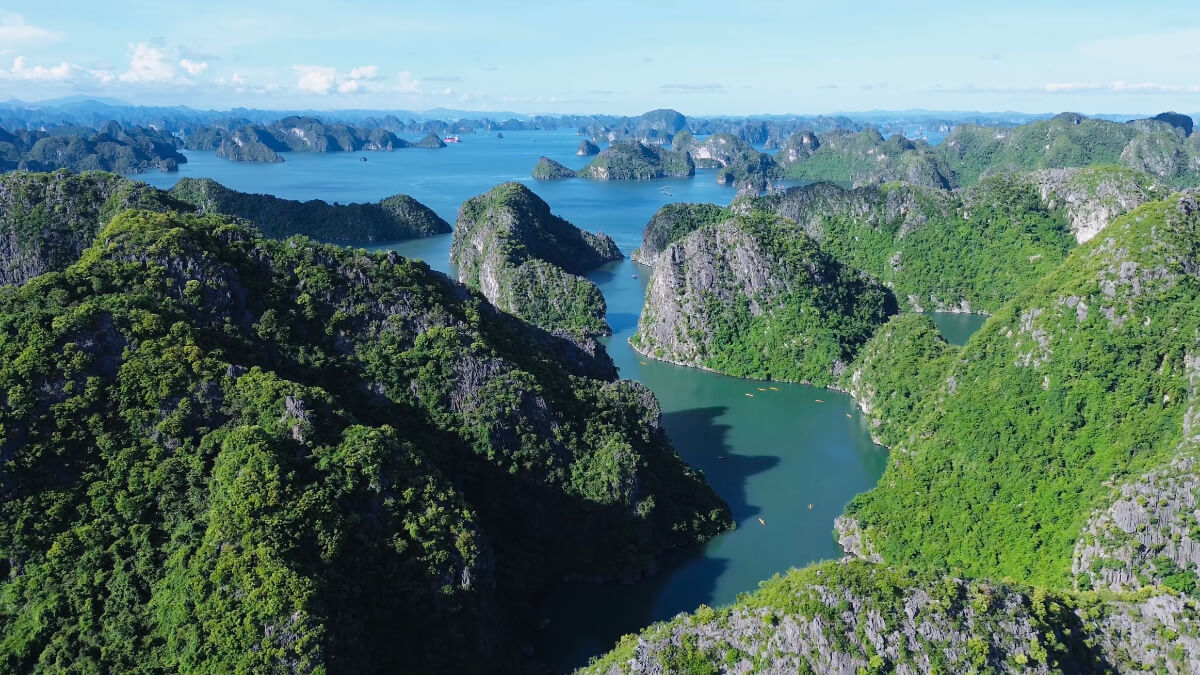
With nearly 2,000 limestone karsts rising out of jade-green water, floating fishing villages and hidden lagoons, Halong Bay looks like nowhere else on Earth. It is easy to see why the bay is a UNESCO World Heritage Site and one of the most photographed stretches of coastline in Southeast Asia.
Yet the difference between an unforgettable trip and an ordinary one usually comes down to a handful of decisions made before you book. This guide covers everything a first-time visitor needs to know for 2026–2027: when to go, how a Halong Bay cruise actually works, what separates a budget boat from a luxury cruise, and the practical details that never appear in the postcard photos.
Overview of Halong Bay
Halong Bay lies in Quang Ninh Province in northeastern Vietnam, about 165 kilometres (103 miles) east of Hanoi. The UNESCO-listed core zone covers around 1,500 square kilometres and some 1,969 limestone islands and islets.
The bay was inscribed as a World Heritage Site in 1994, and its boundaries were extended in 2000. In 2023, UNESCO merged it with the neighbouring Cat Ba Archipelago, a Biosphere Reserve since 2004, to create the Ha Long Bay – Cat Ba Archipelago World Heritage property.
The scenery is the work of millions of years: tectonic movement, erosion and rising seas sculpted thousands of limestone towers, hidden caves, enclosed lagoons and sheer cliffs. Mangrove forests, coral reefs and floating fishing communities make it as rich in life as it is in form.
- Location
- Quang Ninh Province, northeastern Vietnam
- Area
- About 1,500 km²
- Islands & islets
- Around 1,969
- Main cruise ports
- Halong International Cruise Port, Tuan Chau Marina
- Nearest city
- Halong City
- Nearest airports
- Van Don (~50 km), Cat Bi, Hai Phong (~60 km), Noi Bai, Hanoi (~160 km)
Why visit Halong Bay in 2026–2027
-
Easier than ever to reach
The Hanoi – Hai Phong – Halong Expressway brings the drive from Hanoi down to about 2.5–3 hours, while Van Don, Cat Bi and Noi Bai airports make the bay easy to reach for domestic and international travellers alike.
-
Elevated cruise experiences
Today's cruises offer far more than sightseeing. Elegant suites and gourmet dining sit alongside kayaking, cave exploration, wellness and sunset rituals, with itineraries shaped for relaxation, adventure or a romantic escape.
-
A timeless wonder
Halong Bay still offers what few destinations can: a sense of wonder that feels entirely real. Sailing through it means moving among landscapes sculpted over millions of years, where geology, Vietnamese heritage and the sheer scale of nature meet.
When to visit Halong Bay
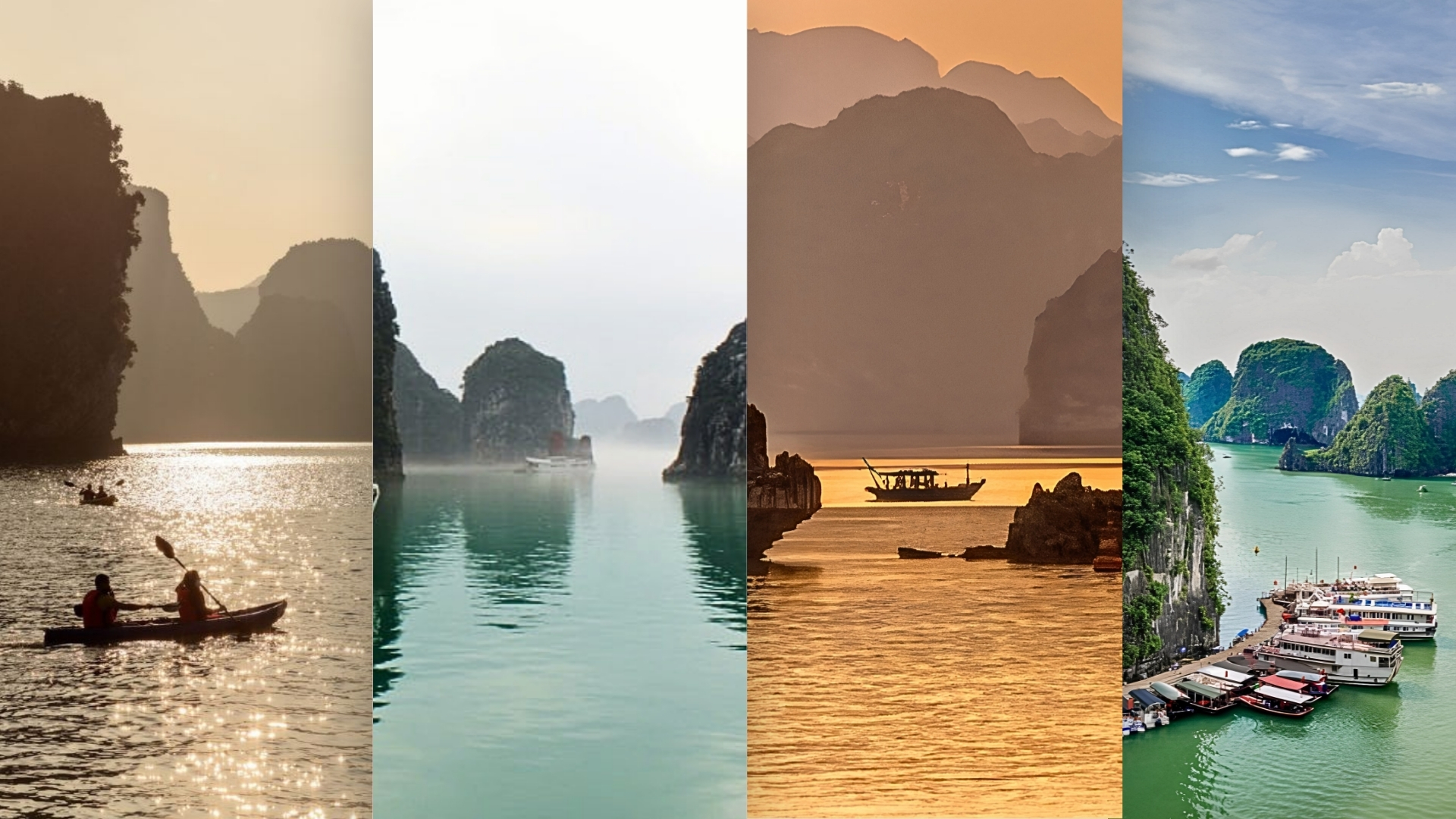
Halong Bay is a year-round destination with four distinct seasons. The best time depends on what you are looking for: clear skies for sightseeing, warm water for swimming, or quieter cruises away from the crowds.
Autumn (September – November): best overall season
Often considered the ideal time to visit. Pleasant temperatures of 22–27°C (72–81°F), lower humidity and clearer skies make for excellent sightseeing and wide views of the karsts.
Best forScenic views · Photography · Outdoor adventure · Couples and honeymooners · Executive retreats
| September | October | November | |
|---|---|---|---|
| High | 31°C | 29°C | 26°C |
| Low | 25°C | 23°C | 20°C |
| Rainfall | Moderate | Low | Low |
| In short | Warm, fewer showers | Clear skies | Cool, excellent visibility |
Winter (December – February): best for peaceful cruises
A softer, more tranquil side of the bay. Temperatures of 15–20°C (59–68°F) and occasional mist create a mysterious atmosphere and a chance to slow down, though lower visibility can affect photography and swimming.
Best forPeaceful getaways · Small private groups · Misty landscapes
| December | January | February | |
|---|---|---|---|
| High | 22°C | 20°C | 21°C |
| Low | 17°C | 15°C | 16°C |
| Rainfall | Low | Low | Low |
| In short | Cool, calm | Cool, misty | Cool, humid |
Spring (March – May): best for sightseeing and photography
Warm and increasingly humid, with temperatures of 20–24°C (68–75°F). Comfortable conditions for cruising, kayaking and caves, with a dreamy mist in the early mornings.
Best forSightseeing · Outdoor excursions · First-time visitors · Couples and honeymooners
| March | April | May | |
|---|---|---|---|
| High | 23°C | 27°C | 31°C |
| Low | 18°C | 21°C | 24°C |
| Rainfall | Low | Moderate | Moderate |
| In short | Mild, comfortable | Pleasant, clear skies | Warm, ideal for cruising |
Summer (June – August): best for beach activities
Warm and lively, at 27–32°C (81–90°F). Longer days leave more time for beaches and activities on board, and lower prices make it appealing, though occasional typhoons can affect travel plans.
Best forFamily holidays · Corporate and incentive trips · Outdoor activities
| June | July | August | |
|---|---|---|---|
| High | 32°C | 32°C | 31°C |
| Low | 26°C | 27°C | 26°C |
| Rainfall | High | High | High |
| In short | Long daylight | Hot, occasional storms | Warm, tropical showers |
How to get to Halong Bay
Hanoi is the main gateway to the bay. Most cruises depart from Halong International Cruise Port or Tuan Chau Marina, both an easy 2.5–3 hours by road on the modern expressway.
Getting there from Hanoi
Lyra Cruise Collection transfers
Three ways to reach your ship, each suited to a different kind of traveller.
Which route should you choose?
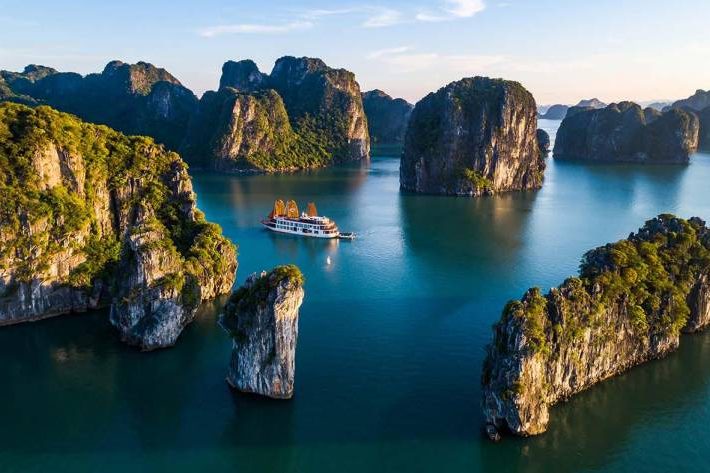
Not every Halong Bay cruise follows the same water. Depending on duration, port and operator, ships sail different official routes, each with its own caves, islands, beaches, floating villages and activities. Knowing them helps you pick the cruise that suits you.

The iconic route
Halong Bay main route
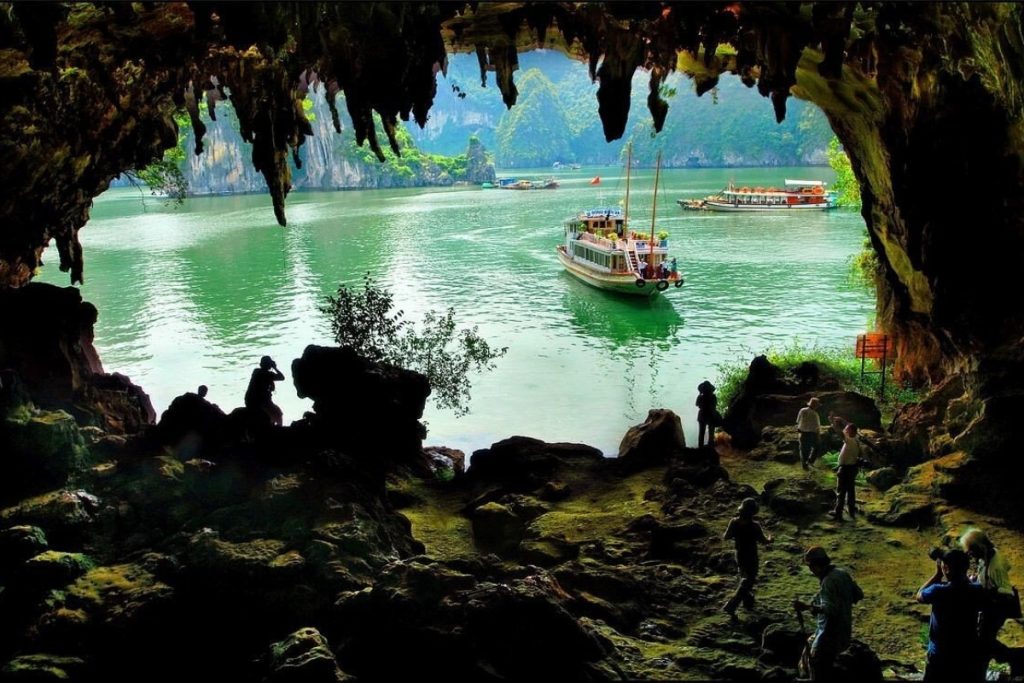
The Halong Bay the world already knows: the karsts of postcards and film, clustered so closely it feels like sailing through a gallery. It is also the busiest water in the region, and local rules limit what you can do on it, so the focus stays on the scenery itself.
Best forFirst-time visitors who want the classic view
The quieter paradise
Lan Ha Bay route
Smaller karsts rise from calmer, sheltered water, framed by white-sand coves and forested cliffs. More flexible permits open the bay to kayaking through hidden lagoons, swims off secluded beaches and, found nowhere else in the bay, Lyra Cruise Collection’s signature waterslide.
Best forWater activities and fewer crowds
The untouched frontier
Bai Tu Long Bay route
Further out, karsts rise from water rarely crossed by other boats, past fishing villages that carry on much as they did before tourism arrived. Its remoteness leaves it more exposed to open water and weather, so it is best sailed in calmer conditions.
Best forReturning visitors in search of solitude
What to do in Halong Bay
Adventure
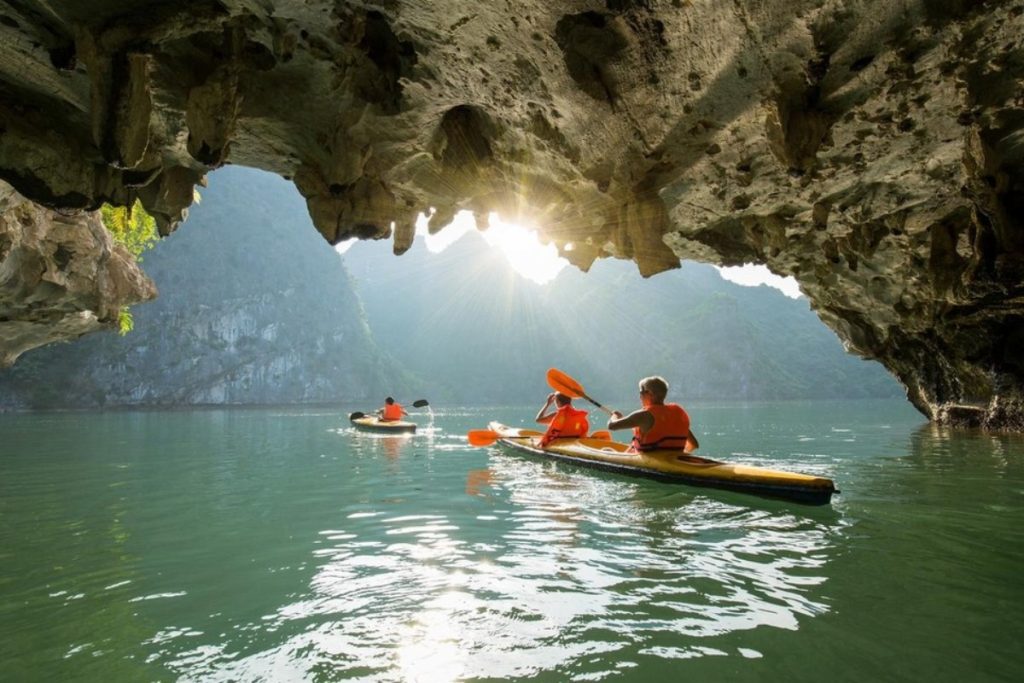
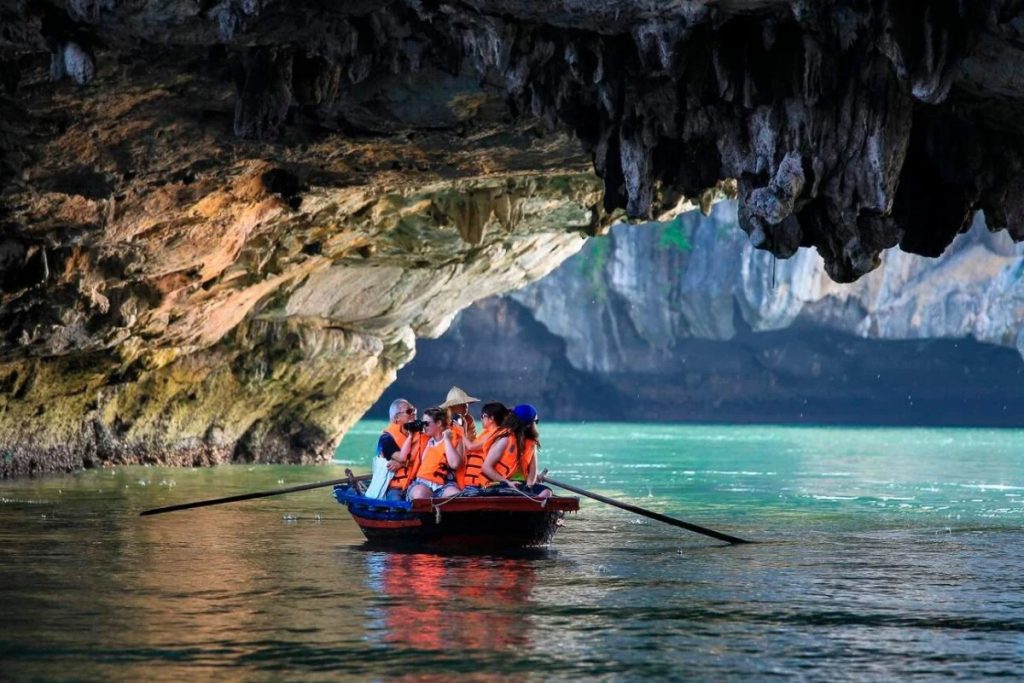
Kayaking, swimming, cave exploration and rowing-boat excursions through Halong and Lan Ha Bay. Highlights include the quiet beaches of Ba Trai Dao, the village of Viet Hai, Trung Trang Cave and hidden water caves. Rock climbing needs a permit and proper safety arrangements.
Leisure on board
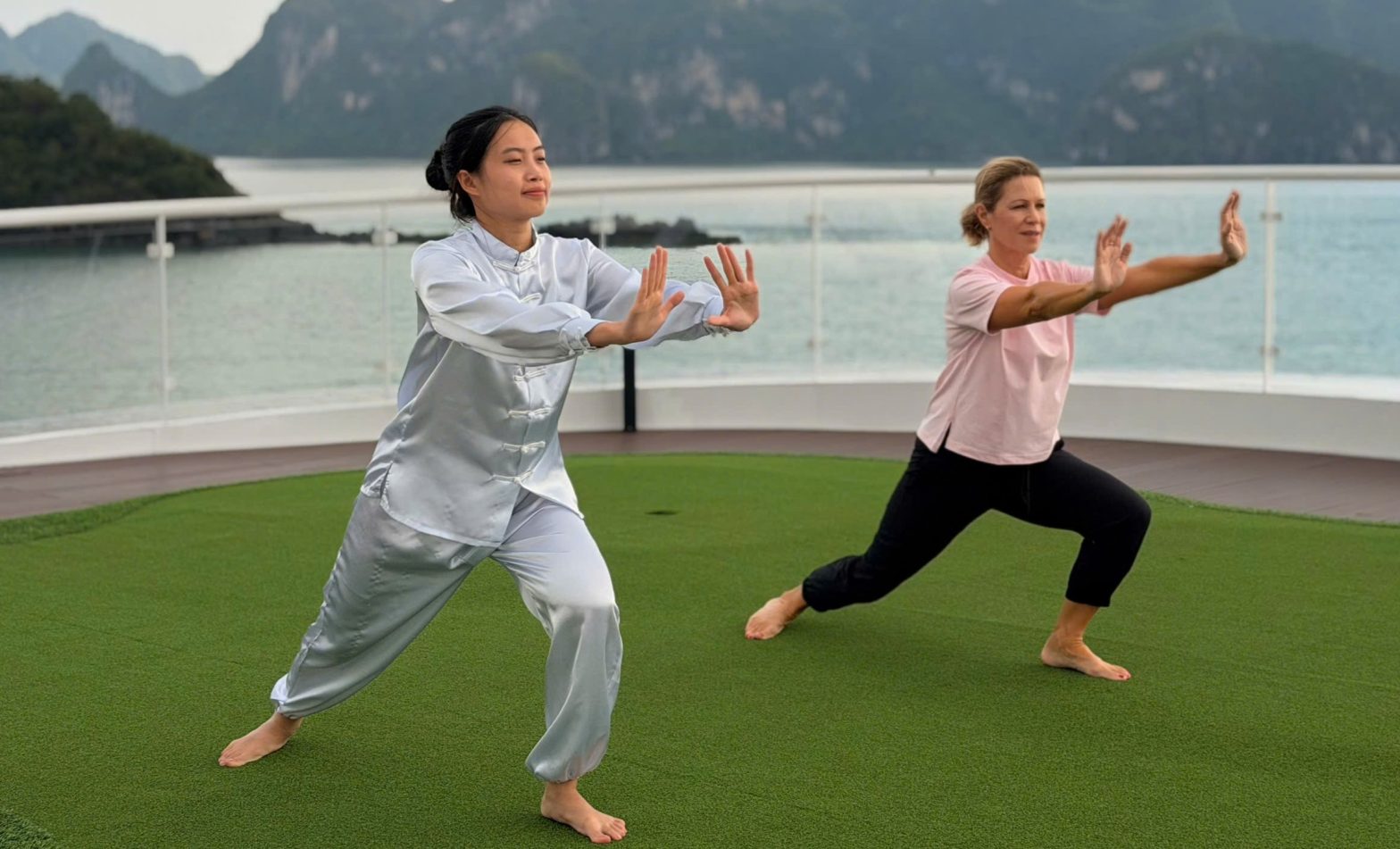
Pool, jacuzzi, sauna and spa; the Poker Club, Entertainment Room and mini-golf. Evenings bring squid fishing and film nights, mornings Tai Chi, and in between, quiet moments on the sundeck overlooking the bay.
Cultural immersion
A Vietnamese tea ceremony, Vietnamese wine tasting, cooking classes and Vietnamese fusion cuisine: each a closer connection to the country’s culinary heritage while you sail.
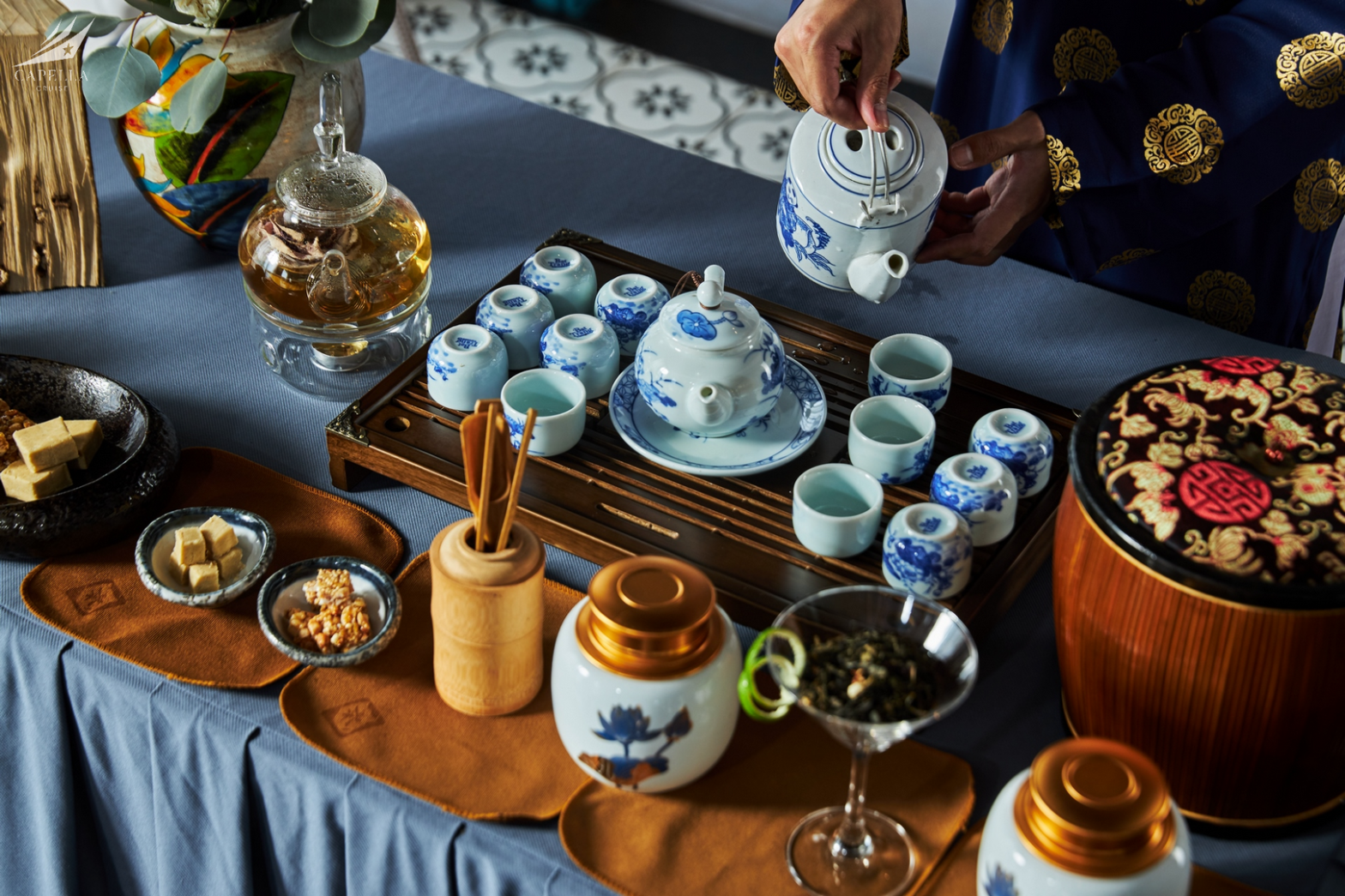
Which cruise length should you choose?
A day cruise
The fastest way to see the bay: usually one cave, one water activity and lunch on board. With 2.5–3 hours on the road each way, though, only 4–5 hours are left on the water. There is no time for the pool, spa or squid fishing, and above all you miss the bay’s most memorable moments: sunset and sunrise over the karsts, reserved for those who stay the night.

An overnight cruise
If your plans allow, stay at least one night. Lyra Cruise Collection sails three journeys:
2 Days 1 Night
A full afternoon on the water, one night on board, sunset and sunrise over the karsts. The right balance when time is short.
Discover the itinerary Slower pace3 Days 2 Nights
Beyond the main bay into Lan Ha Bay and Cat Ba, with time for village visits, cooking classes and more.
Discover the itinerary In depth4 Days 3 Nights
The quieter, less-visited corners and almost every activity on and off the ship, without ever feeling rushed.
Discover the itineraryPractical tips for first-time visitors
Before you go
- Visas and documents. Check the latest entry rules and keep passports, e-visas and booking documents to hand.
- Book ahead. A few months' notice gives the widest choice of suites and dates, especially in peak season.
- Choose well. Compare itineraries, suites, facilities, service and inclusions, not price alone.
Money and connectivity
- Payments. Carry some Vietnamese dong for small purchases; cards are widely accepted on international-standard cruises.
- Staying connected. A local SIM or eSIM gives reliable data; onboard Wi-Fi varies with location and weather.
Packing
- Essentials. Light clothing, swimwear, comfortable shoes, sunscreen, sunglasses, a hat and a waterproof pouch.
- Health. Personal medication and seasickness remedies if you need them.
- Weather. Check the forecast before you leave and pack for the season.
Safety and responsible travel
- On the water. Follow crew instructions and use safety equipment for kayaking and swimming.
- Tread lightly. Respect local communities, avoid single-use plastic and never buy products made from protected wildlife.
Getting the best value
- Be flexible. Shifting dates, duration or suite category can open better availability and rates.
- Mind the season. Shoulder and low seasons are quieter and often better value.
- Look beyond price. The best value balances suite, itinerary, facilities, service and inclusions.
Questions
When is the best time of year to visit Halong Bay?
Spring (March to May) and autumn (September to November), when temperatures sit between 20°C and 28°C with clear skies and calm seas. Summer (June to August) brings heat and a risk of typhoons; winter (December to February) can be cool and misty, with lower visibility.
Is 2 days 1 night enough, or should I choose 3 days 2 nights?
Two days and one night is enough for a first visit, with kayaking, a cave and both sunset and sunrise on the bay. Three days and two nights suits travellers who want a slower pace, deeper exploration of Lan Ha Bay or Cat Ba Island, and more time for swimming and excursions.
What happens if my cruise is cancelled because of bad weather?
Sailings are regulated by the Quang Ninh Maritime Administration for safety, mainly during typhoon season (July – August). If a cruise is cancelled before you leave Hanoi, you can usually choose a refund or a new date. If it is cancelled mid-trip, you pay only for the services already used and the rest is refunded.
Does Lyra Cruise Collection include hotel pick-up in Hanoi?
Hotel pick-up is available from the Hanoi Old Quarter as an add-on rather than part of the cruise price. Add it when you book, or ask your travel consultant.
What is the difference between Halong Bay, Lan Ha Bay and Bai Tu Long Bay?
Halong Bay is the classic UNESCO site, with landmarks such as Sung Sot Cave and Ti Top Island, and the heaviest traffic. Lan Ha Bay, to the south near Cat Ba Island, has cleaner water, fewer boats and better kayaking. Bai Tu Long Bay, to the northeast, is the quietest and most untouched.
What is usually included in the cruise price?
Usually all meals on board, entrance fees, cave visits, kayaking or bamboo-boat rides and an English-speaking guide. Hanoi transfers, drinks, spa treatments and personal expenses are normally extra.
Can cruises cater for vegetarian, vegan or halal diets?
Lyra Cruise Collection caters for vegetarian, vegan, gluten-free and allergy-related diets at no extra cost with 72 hours’ notice, and halal meals can be arranged on request.
Is there Wi-Fi and phone signal on board?
Most modern ships have free Wi-Fi, though it can weaken between the karsts. Viettel and Vinaphone 4G/5G generally works in open water but may fade near cliffs and caves.
Is a cruise suitable for young children, pregnant women or older travellers?
Most cruises welcome families, but some caves and viewpoints involve stairs. Check with the cruise about step-free options and medical support before you book.
What should I pack for an overnight cruise?
Comfortable shoes for caves, swimwear, light layers, sunscreen and a light jacket for evenings on deck. If you travel by shuttle, check its luggage allowance in advance.