


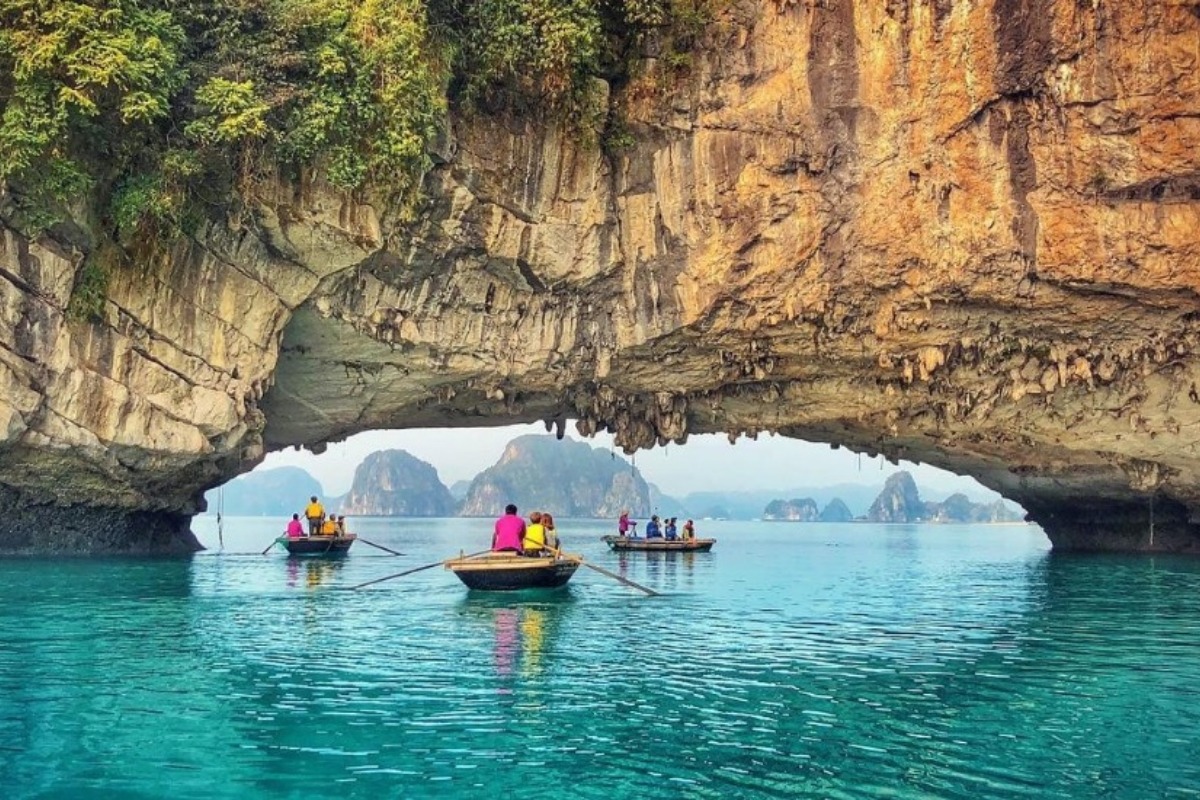
Lan Ha Bay vs Halong Bay: Which Vietnamese Paradise is Right for You?
Both Lan Ha Bay and Halong Bay offer stunning limestone karst landscapes and unforgettable cruise experiences, but they cater to distinctly different types of travelers. Understanding their differences is essential for choosing the destination that best matches your preferences.
Geographic Overview and Accessibility
Halong Bay occupies the central position in the Gulf of Tonkin within Quang Ninh province, making it highly accessible from Hanoi. A direct bus, private car, or shuttle service can transport you from the city in approximately 2 to 2.5 hours, with frequent departures throughout the day. Most cruises depart from Tuan Chau Marina, ensuring convenient logistics.
Lan Ha Bay lies to the south, technically part of the same geological system but administratively separate as it falls within the Cat Ba Archipelago in Hai Phong municipality. Accessing Lan Ha requires more effort, typically involving a journey to Hai Phong or traveling through Halong to reach Cat Ba Island, extending total transfer time to 3.5 hours or more from Hanoi. Once at Cat Ba Town, however, the bay becomes easily accessible from Beo Pier.
Both destinations earned UNESCO World Heritage recognition. Halong Bay was designated in 1994 and again in 2000, while the Cat Ba Archipelago (encompassing Lan Ha Bay) joined the prestigious list in 2023 as Vietnam’s first inter-provincial UNESCO World Heritage site.
Crowds and Atmosphere
The most significant distinction between these two destinations lies in visitor volume and resulting atmosphere. Halong Bay receives millions of annual visitors, with hundreds of boats operating simultaneously during peak seasons. Popular attractions like Sung Sot Cave and designated beaches become congested, particularly from May through August and during Vietnamese holidays.
Lan Ha Bay, conversely, maintains a quiet, intimate environment with far fewer visitors. Many travelers describe it as representing what Halong Bay resembled two decades ago—pristine, peaceful, and uncrowded. On many days, you might encounter only a handful of other vessels throughout an entire cruise, allowing genuine connection with the natural landscape without crowds obscuring photographs or experiences.
Natural Beauty and Water Quality
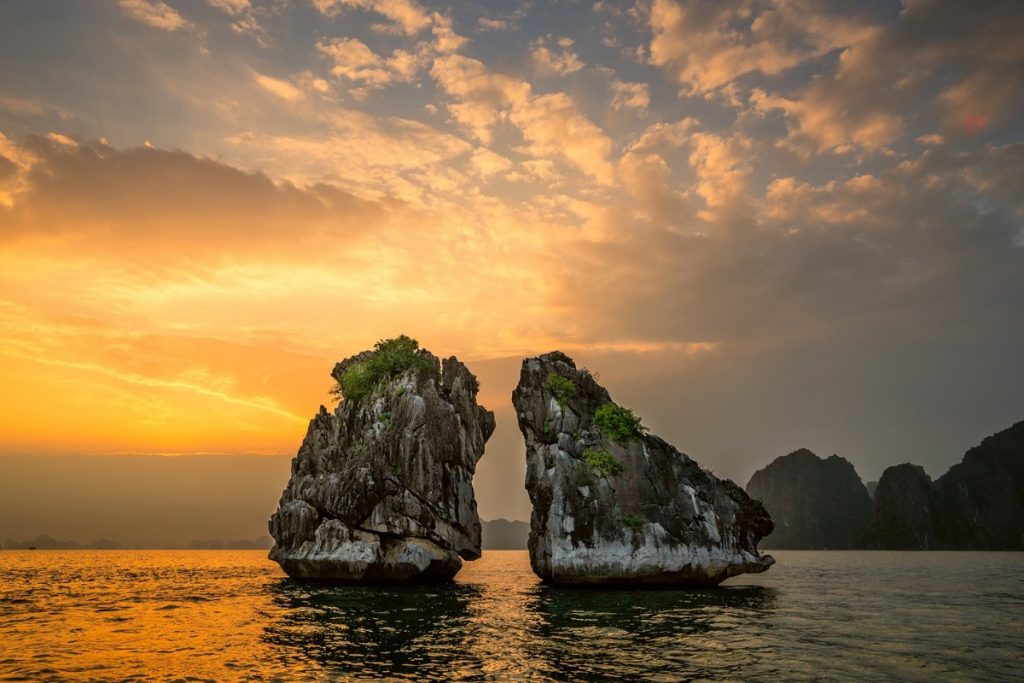
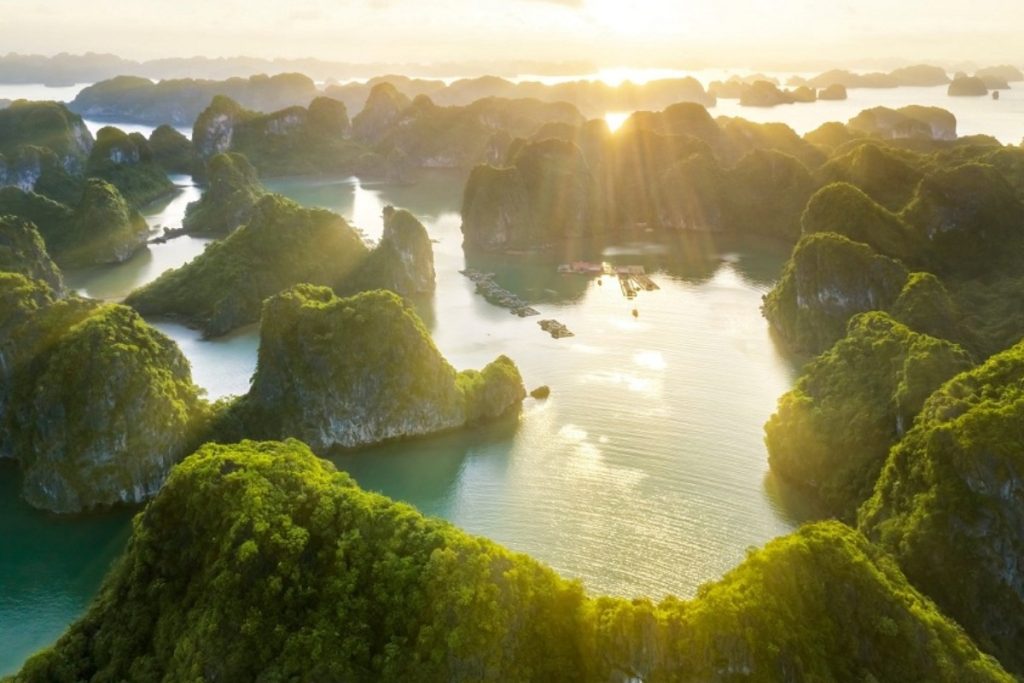
Both bays share identical geological formations – towering limestone karsts, dramatic cliffs, and submerged cave systems created by identical geological processes over the same timeframe. However, the visual experience differs significantly due to density and development.
Halong Bay presents an epic, dramatic landscape with iconic formations that justify its world-famous reputation. Its high concentration of boats and infrastructure creates spectacular vistas but also visible development. Water quality has improved substantially—85% of monitored areas now meet Vietnam’s marine water quality standards as of 2025, with heavy metal concentrations decreasing 37% since 2023. However, some high-traffic zones near Tuan Chau Marina still experience visible floating debris during peak hours, particularly following heavy rainfall.
Lan Ha Bay showcases similar karst formations but with approximately 400 densely vegetated islands creating a softer, more intimate atmosphere. With 139 small, pristine golden-sand beaches and numerous hidden lagoons enclosed by limestone cliffs, the water appears cleaner and more transparent. The absence of heavy boat traffic results in significantly lower pollution levels, clearer visibility for snorkeling and kayaking, and genuinely undisturbed marine ecosystems. Photography enthusiasts particularly appreciate the ability to capture landscapes without visible tourism infrastructure.
Activities and Experiences
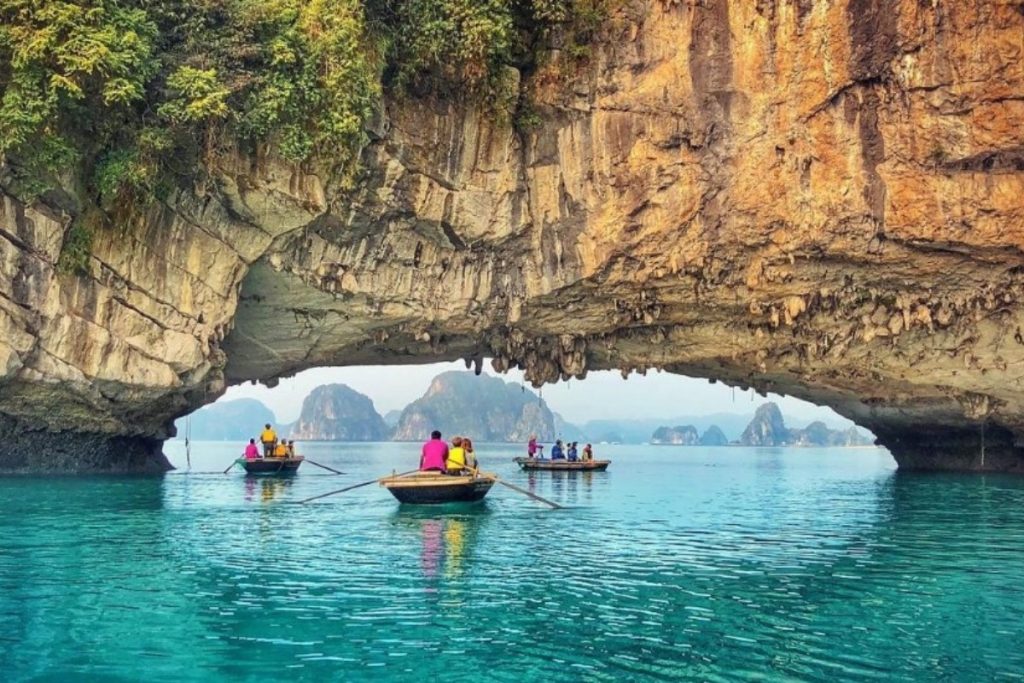
Halong Bay offers well-organized, standardized activities perfect for first-time visitors seeking reliable, comprehensive experiences. Standard itineraries include cave exploration (Sung Sot, Thien Cung, Dau Go), visits to floating fishing villages (Cua Van, Vung Vieng), beach swimming at Ti Top or Soi Sim islands, kayaking at designated spots, sunrise tai chi sessions, evening squid fishing, onboard cooking classes, and various water sports. The large cruise selection across all budget tiers ensures diverse experiences, with entertainment and amenities rivaling floating hotels.
Check out: 10 Unforgettable Halong Bay Cruise Experiences You Didn’t Know Existed
Lan Ha Bay appeals to adventurous travelers seeking active engagement rather than passive sightseeing. Rock climbing on well-bolted limestone crags, extensive kayaking through hidden lagoons accessible only by paddle, mountain biking through jungle paths to Viet Hai Village (a remote settlement within Cat Ba National Park), and swimming in secluded lagoons like Frog Lagoon or Three Peach Beach define the experience. Cruises are typically smaller, emphasizing personalized service and flexibility – you can often customize daily activities based on weather and interests rather than following rigid itineraries. This flexibility extends to water activities; with lower boat traffic, kayakers enjoy unimpeded exploration.
Cruise Options and Pricing
Halong Bay offers abundant cruise options across all price points. Two-day, one-night cruises range from $125 (budget 3-star) to $315 (luxury 5-star), while three-day, two-night options span $215 to $425 depending on vessel class. The extensive selection means better pricing competition but sometimes less personalized service on larger vessels carrying 50+ cabins.
Lan Ha Bay cruises typically range from $135 to $400 for 2D1N and $280 to $600 for 3D2N, generally 5-10% lower than equivalent Halong Bay vessels for the same quality tier. However, fewer operators mean less price variation. Cruises emphasize smaller capacity (fewer cabins) and luxury positioning, with many high-end operators now choosing Lan Ha as their primary destination.
Environmental Conditions and Sustainable Tourism
Halong Bay has undergone significant environmental improvements. Vietnam’s government invested $42 million in a 2024-2026 comprehensive cleanup program, deploying 127 waste collection stations and 15 specialized cleanup vessels. The single-use plastic ban on all tourist boats (effective January 2024) combined with mandatory wastewater treatment systems has measurably improved conditions. Luxury cruise operators increasingly exceed regulatory requirements with advanced filtration systems.
Lan Ha Bay remains relatively pristine due to lower visitor numbers, allowing ecosystems to maintain natural balance despite tourism. Leading operators like Capella Cruise and Lyra Grandeur Cruise emphasize sustainability through waste classification systems, eco-friendly materials, monthly bay cleaning programs, and plastic reduction initiatives.
Best Time to Visit
Both destinations follow similar seasonal patterns. October through November and March through April offer ideal conditions with pleasant temperatures (20–27°C), minimal rainfall, and comfortable humidity levels. These months also see moderate tourist numbers – heavy enough for robust services but light enough to avoid peak-season crowds.
Avoid May through September, when temperatures soar to 28–35°C, humidity becomes oppressive, and typhoons occasionally disrupt schedules. January through February brings cool weather (15–22°C) and fewer tourists but occasionally features foggy mornings.
Read more: Budget vs Weather: Finding the Best Time to Visit Halong Bay
Who Should Visit Each Destination
Choose Halong Bay if you:
- Visit Vietnam for the first time and want to experience the iconic landscape
- Prefer well-established infrastructure with multiple cruise options at various price points
- Enjoy organized sightseeing with curated activities
- Prefer short, efficient transfers from Hanoi
- Seek variety in onboard entertainment and amenities
- Travel with families seeking reliable, comprehensive experiences
- Want documented attractions and cultural experiences at floating villages
Choose Lan Ha Bay if you:
- Seek a serene, intimate experience with minimal crowds
- Enjoy active outdoor pursuits like rock climbing, kayaking, and mountain biking
- Prefer personalized service and flexible itineraries
- Value pristine natural environments over commercial infrastructure
- Appreciate photography opportunities without crowds or development
- Visit Vietnam for a second or subsequent time
- Prioritize environmental sensitivity and want less-impacted ecosystems
- Are willing to invest longer transfer time for a more exclusive experience
The Hybrid Option
Many luxury cruise operators now offer 2-day to 4-day itineraries spanning both bays, allowing travelers to experience Halong Bay’s iconic attractions while enjoying Lan Ha Bay’s tranquility. These hybrid cruises provide optimal balance – visiting famous caves like Sung Sot while also exploring pristine areas like Frog Lagoon and Three Peach Beach, often including Viet Hai Village cycling excursions.
Final Recommendation
The choice between Lan Ha Bay and Halong Bay ultimately depends on your travel philosophy. Halong Bay delivers on its world-famous promise—dramatic scenery, comprehensive experiences, and excellent logistics—making it the ideal introduction to Vietnam’s most celebrated destination. Lan Ha Bay offers what Halong Bay has lost to tourism—peace, pristine nature, and authentic exploration—making it perfect for those seeking something more contemplative and adventurous. For first-time Vietnam visitors, Halong Bay remains the must-see landmark; for repeat visitors and nature enthusiasts, Lan Ha Bay’s serene beauty and flexibility create more memorable, personally meaningful experiences.